New Delhi:
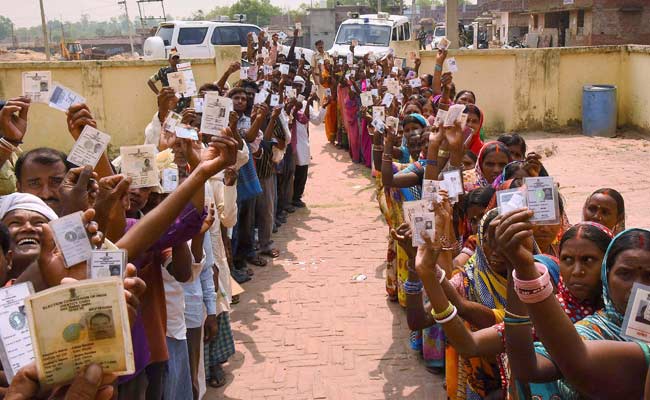
In the multicultural mosaic of Bihar’s political landscape, this year’s assembly election will stand as a defining moment, a crossroad where myriad factors converge, each vying for attention, each with a resonance that echoes through the lives of millions.
Delve into the intricate dynamics at play, and you would find a confluence of unemployment, outmigration, caste identity, religious demographics, and gender politics. Each thread of this complex narrative not only shapes the aspirations of the electorate, but also delineates the potential pathways for the dominant political players.At the heart of this electoral saga lies the spectre of unemployment, a haunting reality for a state where over half the population is below 40 years old. The median age of Bihar is 22, the lowest in the country, compared to the national average of 28. Tejashwi Yadav, the 35-year-old Rashtriya Janata Dal (RJD) leader, positions himself as a beacon of hope, promising government jobs for every household. This pledge, resonating with an electorate that has often felt the weight of stagnation, could carry significant traction. The promise of stable employment is not merely a political slogan; it is a lifeline for the youth grappling with the dual dilemmas of aspiration and despair.
About the Author