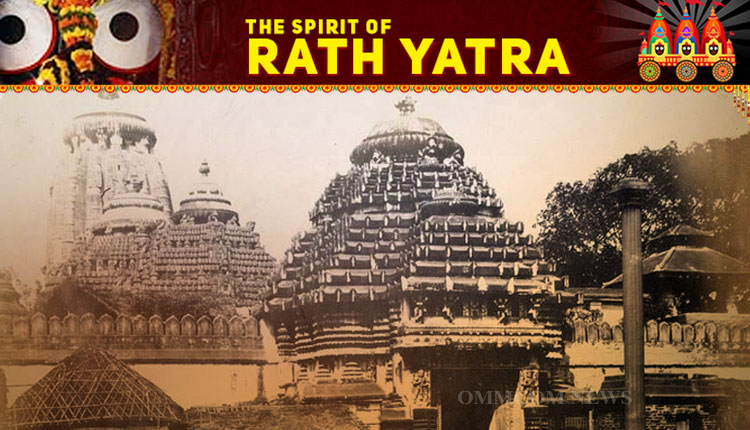
This year’s world-famous annual Rath Yatra of Lord Jagannath began on July 16, drawing lakhs of devotees to Puri. As the chariots rolled down the Grand Road, the age-old traditions of Srimandir came alive once again. Ommcom News, over the years, has been bringing to you stories of some lesser-known facets of Lord Jagannath and his abode, Srimandir.
It is common knowledge that the Gajapati Maharaja is the foremost servitor of Lord Jagannath and his siblings. But beyond the royal duty, there exists a vast network of sevayats who have kept the temple’s rituals alive for centuries. In the 13th century, King Anangabhima Dev III institutionalized the temple service by creating 120 categories of duties and appointing dedicated servitors for each. More services were added in later years, depending on the needs of the temple. For generations, these families carried forward the legacy, passing down rituals father to son. But time, and history, took its toll. Repeated invasions, particularly by Mughal rulers, disrupted the temple’s functioning. Later Gajapati kings were unable to sustain all the rituals. With the passage of centuries, many sevayat families had no male heirs to continue the tradition. And because there is no provision to recruit outsiders into the sevayat system, several of these services simply faded away. Today, some of the most important rituals of Srimandir exist only in records and memory. Ommcom News takes a look at some of the key services that have been discontinued over the decades, and the stories behind their slow disappearance.
About the Author