Soil Biodiversity: The Hidden Foundation of Life on Earth
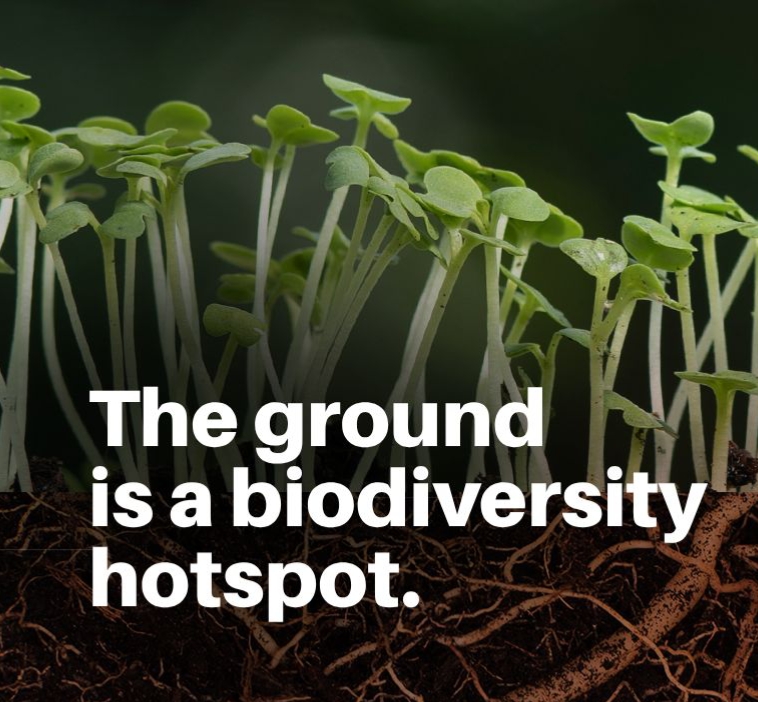
Beneath our feet lies a living world far more powerful and important than many people realize. Soil is not simply dirt or ground we walk upon — it is one of Earth’s greatest reservoirs of biodiversity and a vital foundation for life itself. Within a single handful of healthy soil live billions of microorganisms, including bacteria, fungi, insects, earthworms, nematodes, and countless other organisms that work together in harmony to sustain ecosystems across the planet. This invisible underground community plays a direct role in supporting agriculture, protecting human health, regulating climate, purifying water, and maintaining the balance of nature. Without healthy soil biodiversity, life above ground would struggle to survive.
Soil biodiversity is often called the “living engine” of the Earth because it drives essential natural processes. Tiny soil organisms decompose dead plants and animals, transforming organic matter into nutrients that nourish crops, forests, and grasslands. Earthworms improve soil structure by creating channels that allow air and water to move freely through the ground. Fungi form partnerships with plant roots, helping plants absorb nutrients and water more effectively. Bacteria recycle nitrogen and carbon, enabling ecosystems to remain fertile and productive. Together, these organisms create healthy soil that supports food production and strengthens natural resilience against environmental stress.
Agriculture depends deeply on soil biodiversity. Farmers across the world rely on healthy soils to grow crops that feed billions of people. Fertile soil increases crop yields, improves water retention, and reduces the need for excessive chemical fertilizers. Diverse soil ecosystems naturally suppress pests and diseases, helping farmers maintain sustainable agricultural systems. In regions affected by drought, healthy soil acts like a sponge, storing water and protecting crops during dry periods. Without soil biodiversity, agricultural productivity declines, threatening food security and rural livelihoods. The future of global farming is closely tied to the protection and restoration of healthy soils.
The importance of soil biodiversity extends beyond agriculture and directly impacts human health. Soil organisms help filter and purify water before it reaches underground aquifers, rivers, and lakes. Many medicines used today, including antibiotics, originate from soil microorganisms. Healthy soil also contributes to nutritious food production by enriching crops with essential minerals and nutrients. At the same time, degraded soils contaminated by pollution or excessive chemical use can negatively affect ecosystems and public health. Protecting soil biodiversity therefore means protecting the health and well-being of communities worldwide.
One of the most critical roles of soil biodiversity is its contribution to climate regulation. Soil stores more carbon than the atmosphere and all plant life combined. Healthy soils capture carbon dioxide from the atmosphere and store it underground, helping reduce the impacts of climate change. Soil organisms play a major role in this carbon cycle by breaking down organic matter and stabilizing carbon within the soil. When soils are damaged through deforestation, overgrazing, pollution, or unsustainable farming practices, large amounts of stored carbon are released back into the atmosphere, accelerating global warming. Preserving healthy soils is therefore one of the most effective natural solutions in the fight against climate change.
Despite its immense value, soil biodiversity faces serious threats caused by human activities. Climate change is altering rainfall patterns, increasing temperatures…
About the Author